Adhesive-free LE-Safe seals for cryogenic applications Cryogenic applications place new demands on sealing systems
Cryogenic applications are becoming increasingly important for valve manufacturers and plant operators. In LNG infrastructure, hydrogen systems, and oxygen service, extremely low temperatures directly influence the behavior of materials and sealing systems.
Under these conditions, seals must do more than provide tightness. They need to function reliably, remain structurally stable, and avoid contamination—even under extreme thermal stress.
A detailed technical analysis of this topic has recently been published in Industrial Valves magazine.
Adhesives as a potential risk factor
Laminated seals have proven their value in metal-seated valves, particularly in triple-offset valves [TOV], by combining the elasticity of graphite with the strength of a metallic support. To stabilize the layered structure, adhesives are often used between the individual layers.
However, under cryogenic conditions, these adhesives can become a critical weakness. Very low temperatures may cause them to embrittle, which in turn can lead to microcracks or structural inconsistencies. In sensitive media such as oxygen, they can also introduce an increased risk of contamination.
This creates an additional uncertainty factor—particularly in applications where safety and purity are essential.
In cryogenic environments and oxygen service, organic materials introduce avoidable risk. Sealing systems should therefore be designed to exclude them wherever possible.
LE-Safe: adhesive-free technology for cryogenic conditions
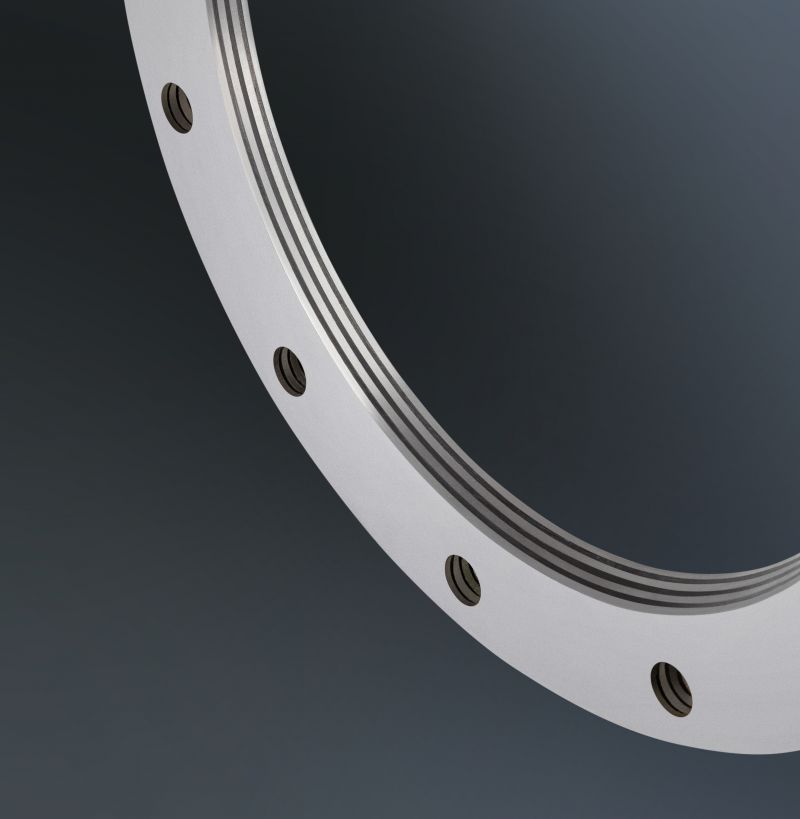
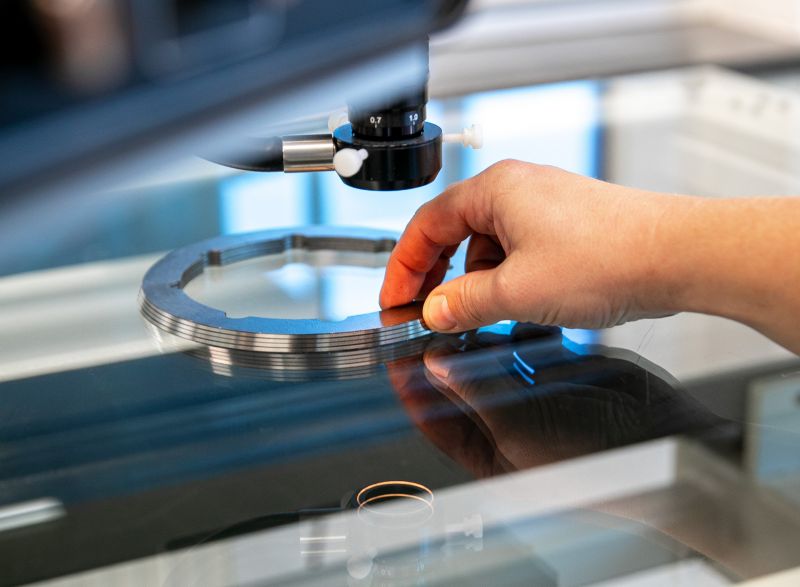
With LE-Safe technology, IDT has developed a completely adhesive-free laminated seal. Instead of relying on bonding agents, the stability of the laminated structure is ensured through the seal geometry itself and the mechanical clamping within the valve.
This design principle can also be applied to comb-profile and corrugated ring seals, making it possible to manufacture adhesive-free solutions for both demanding and standard applications.
The result is a sealing system that is specifically engineered for challenging operating conditions, particularly in cryogenic environments.
Benefits for valve manufacturers and plant operators
By eliminating adhesives, LE-Safe gaskets remove a known source of material degradation. There is no risk of embrittlement of organic components, and the potential for contamination is significantly reduced. At the same time, the sealing system maintains high structural integrity even at very low temperatures and delivers reliable performance over a long service life.
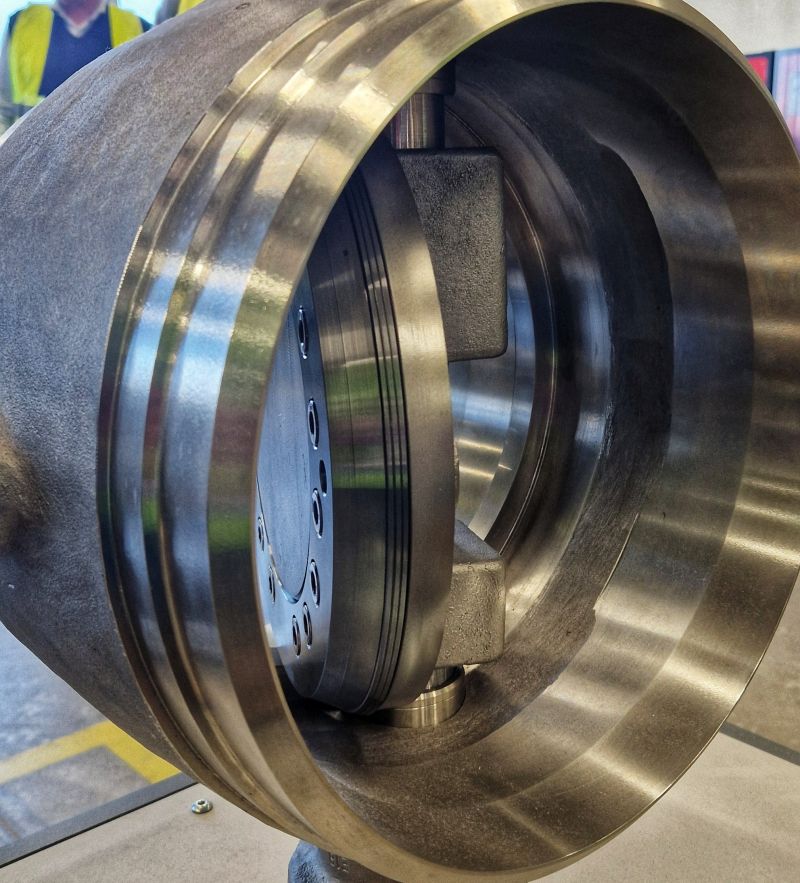
This makes LE-Safe seals particularly suitable for triple-offset valves [TOV] and other metal-seated valve designs used in critical applications.
Conclusion
As cryogenic applications continue to grow in importance, the demands placed on sealing systems are increasing accordingly. Adhesive-free LE-Safe seals offer a clear technological advantage by eliminating potential weak points and enabling greater safety, reliability, and long-term performance. A more detailed technical discussion of this approach has recently been published in Industrial Valves: „Improving Valve Reliability in Critical Applications – Adhesive-Free Technology for Triple-Offset Valves
Contact us to discuss your design or check your application now.
FAQ on adhesive-free LE-Safe gaskets in cryogenic applications
Adhesives can become brittle at very low temperatures and lose their effectiveness. In addition, they may introduce contamination risks in sensitive media such as oxygen.
Yes. The sealing performance remains comparable, while risks associated with aging, embrittlement, and delamination are eliminated.
They are especially suitable for cryogenic applications in LNG, hydrogen, and oxygen systems, as well as for metal-seated valves such as triple-offset butterfly valves.
It increases process reliability, reduces contamination risks, and ensures stable sealing performance under extreme temperature conditions.